Revolutionizing Urban EV Fleets: The Role of Edge Computing

Electric vehicle (EV) fleets are becoming a vital part of urban transportation, offering cleaner alternatives to traditional fuel-powered vehicles. Yet, managing these fleets efficiently in busy city environments presents challenges. Edge computing is emerging as a key technology to address these challenges by processing data closer to the vehicles and infrastructure, enabling faster decisions and improved fleet management.
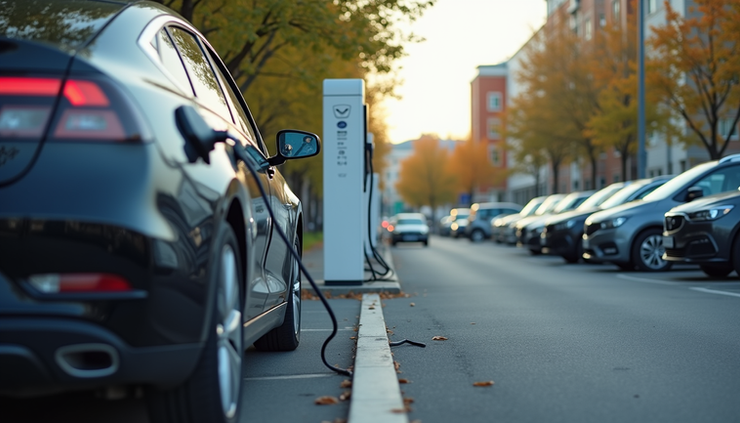
How Edge Computing Supports Urban EV Fleets
Urban EV fleets generate vast amounts of data from vehicle sensors, traffic conditions, charging stations, and route information. Traditionally, this data is sent to centralized cloud servers for processing, which can cause delays and require high bandwidth. Edge computing moves data processing closer to the source—on the vehicle itself or nearby edge servers—reducing latency and bandwidth use.
This local processing allows fleets to:
Respond quickly to traffic changes
Optimize routes in real time
Manage battery health and charging schedules efficiently
Detect and address vehicle maintenance issues promptly
For example, a delivery fleet using edge computing can reroute vehicles instantly around traffic jams or road closures without waiting for cloud commands. This reduces delivery times and improves customer satisfaction.
Real-World Applications of Edge Computing in EV Fleets
Several cities and companies have started integrating edge computing into their EV fleet operations:
Smart Charging Management
Edge devices monitor battery levels and charging station availability in real time. This helps avoid congestion at charging points and balances energy demand on the grid. A city bus fleet in Europe uses edge computing to schedule charging during off-peak hours, reducing costs and grid strain.
Predictive Maintenance
Sensors on EVs analyze performance data locally to detect early signs of wear or faults. Edge computing enables immediate alerts to fleet managers, preventing breakdowns and costly repairs. A logistics company in the US reported a 20% reduction in maintenance downtime after adopting edge-based monitoring.
Enhanced Safety Features
Edge computing supports advanced driver assistance systems (ADAS) by processing sensor data instantly. This improves collision avoidance and pedestrian detection, which is crucial in dense urban environments.

Benefits Beyond Efficiency
Edge computing not only improves operational efficiency but also supports sustainability goals. By optimizing routes and charging, EV fleets reduce energy waste and emissions. Faster data processing also enhances the user experience for drivers and fleet managers, making EV adoption more attractive.
Other benefits include:
Reduced Data Costs
Processing data locally means less information needs to be sent to the cloud, lowering communication expenses.
Improved Data Privacy
Sensitive data can be analyzed on-site without transferring it to external servers, enhancing security.
Scalability
Edge computing systems can grow with the fleet, adding new vehicles and sensors without overwhelming central servers.
Challenges and Considerations
While edge computing offers many advantages, implementing it in urban EV fleets requires careful planning:
Infrastructure Investment
Setting up edge servers and upgrading vehicles with edge-capable devices involves upfront costs.
Integration Complexity
Combining edge computing with existing fleet management systems and cloud platforms can be technically challenging.
Data Management
Deciding which data to process locally versus in the cloud requires clear strategies to balance speed and storage.
Despite these challenges, the long-term benefits of edge computing make it a worthwhile investment for urban EV fleets aiming to improve performance and sustainability.
Looking Ahead
As cities grow and EV fleets expand, edge computing will play an increasingly important role in managing complexity and delivering reliable service. Advances in 5G networks and AI will further enhance edge capabilities, enabling smarter, more responsive urban transportation systems.
Fleet operators should explore pilot projects to test edge computing solutions tailored to their specific needs. Collaborating with technology providers and city planners can help create integrated systems that maximize the potential of EV fleets.
By embracing edge computing, urban EV fleets can become more efficient, sustainable, and ready to meet the demands of modern city life. The future of clean, connected transportation depends on smart data processing at the edge.


Comments